

100kg Korean Woman Loses Half Her Body Weight After Break-Up, Reveals 5 Methods That Helped Her Achieve Abs Without Rebound
A South Korean woman who once weighed 100kg has stunned social media users after shedding 50kg over two years, transforming not only her appearance but also her lifestyle. Known online as 지니 (Jini), she has openly documented her weight loss journey, sharing before-and-after photos and fitness advice that have since inspired thousands across Asia.
At her heaviest, Jini admitted she disliked exercise and regularly indulged in fried chicken, sugary drinks and beer. Poor dietary habits developed during her school years gradually led her weight to climb to 100kg. Although she had attempted dieting before, she often gave up before seeing meaningful results.
The turning point came when her boyfriend criticised her weight and ended their relationship. At the same time, she began experiencing lower back strain due to excessive pressure on her spine. Faced with emotional distress and health concerns, she decided to make a lasting change.
From 100kg to 50kg in Two Years
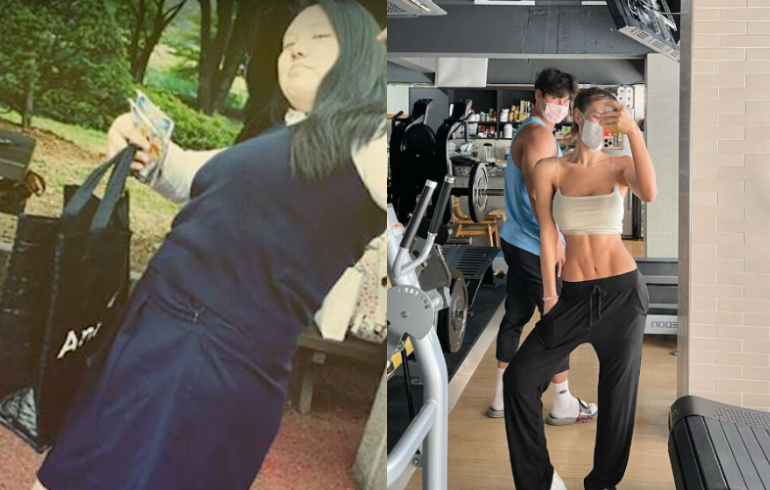
Within 100 days of committing to a healthier lifestyle, Jini lost an impressive 24kg. Over the next two years, she gradually brought her weight down to 50kg using sustainable, health-focused strategies rather than extreme crash diets.
Ironically, after her transformation, her former boyfriend reportedly reached out hoping to reconcile. However, she shared that while the break-up initially motivated her, her journey eventually became about self-respect and long-term wellness rather than revenge or validation.
Her experience has since become a talking point in online fitness communities, particularly among those interested in sustainable weight loss programmes and long-term fat reduction without rebound weight gain.
Method 1 & 2: Portion Control, No Supper and Hydration Discipline
One of the biggest changes Jini implemented was learning moderation. She did not completely ban her favourite foods but limited portions and shifted heavier meals to lunchtime. Dinners became lighter to avoid sleeping on a full stomach.
She also eliminated late-night suppers, which she described as a major contributor to her previous weight gain. Although it was difficult at first, especially with family members who enjoyed midnight snacks, she said building the habit early made long-term consistency easier.
Hydration played a central role in her transformation. She drank between 2 to 3 litres of water daily and cut out sugary beverages. Alcohol, another hidden source of high calories, was completely removed during the early stages of her fat loss journey.
Method 3 & 4: Low Salt, High Protein Diet and Six-Day Workout Routine
Dietary adjustments included switching from white rice to brown rice, halving carbohydrate portions, and increasing protein intake through chicken, seafood and other lean sources. Breakfast typically consisted of fruits such as watermelon, strawberries and apples.
Exercise became non-negotiable. She worked out six days a week, alternating between strength training on Mondays, Wednesdays and Fridays, and cardio sessions on Tuesdays, Thursdays and Saturdays. Each session lasted about an hour.
In addition, Pilates was incorporated to improve flexibility and core strength, helping her achieve visible muscle definition and toned abs.
Method 5: The “3-3-3” Sculpting Routine
To specifically target her waist, legs and glutes, Jini followed what she described as a “3-3-3” training formula. This involved three exercises per set, performed for three sets.
One combination included 30 squats, 30 lunges and 15 burpees per set. Another routine used gym equipment for leg training paired with stair kicks. A third focused on wide squats, lunges and walking push-ups.
The consistent resistance training helped her build abdominal definition and a toned lower body, reducing the risk of regaining weight by increasing muscle mass and metabolic rate.
Today, Jini runs a YouTube channel sharing practical advice on healthy dieting, workout routines and long-term weight management. Her story serves as a reminder that while heartbreak may ignite change, sustainable health transformation requires discipline, structure and commitment.
Disclaimer: This article is for informational purposes only and does not constitute medical advice. Individuals should consult qualified healthcare professionals before starting any new diet or fitness programme.