

The latest findings from the World Happiness Report 2025 have once again placed Nordic nations at the top of global happiness rankings, prompting renewed discussion about where Singapore stands in comparison.
Countries such as Finland, Iceland and Denmark dominated the top three positions, continuing a trend seen in recent years. These nations are often praised for strong social support systems, high levels of trust in government, and a balanced work-life culture.
While Singapore did not feature among the top 13 countries listed in the latest rankings snapshot, its performance remains closely watched due to its strong economic standing and high quality of infrastructure.
What Defines Happiness Rankings in 2025
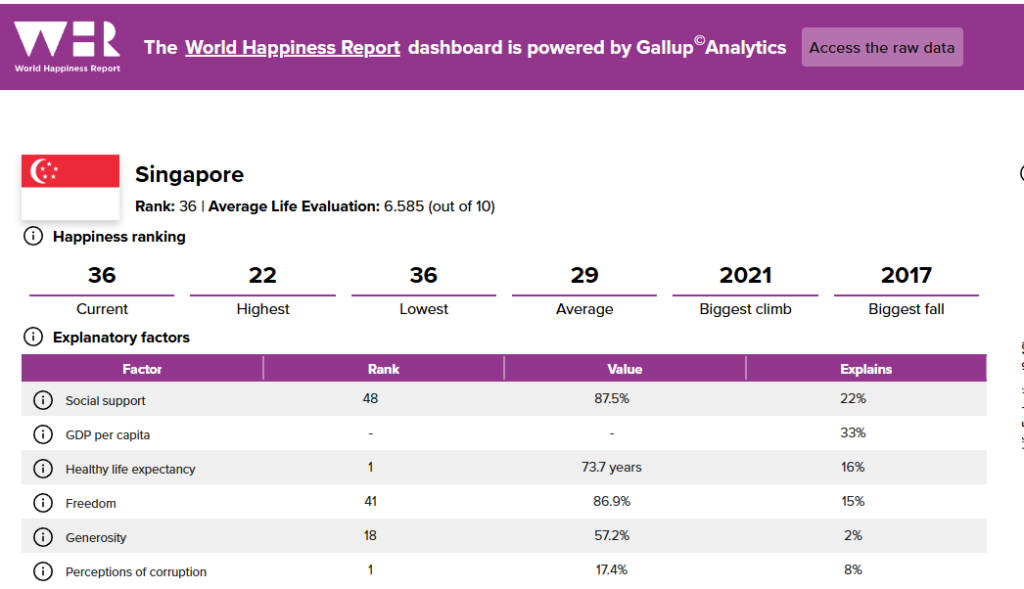
The report, powered by global analytics firm Gallup, evaluates happiness based on several key indicators. These include income levels, social support, life expectancy, freedom to make life choices, generosity, and perceptions of corruption.
Top-ranking countries like Finland achieved a score of 7.764, reflecting consistent performance across these categories. Similarly, Denmark and Iceland maintained high scores due to their robust welfare systems and strong community ties.
In contrast, countries further down the rankings often face challenges such as income inequality, lower trust in institutions, or weaker social safety nets — factors that can significantly affect overall life satisfaction.
Singapore’s Strengths and Challenges in Wellbeing
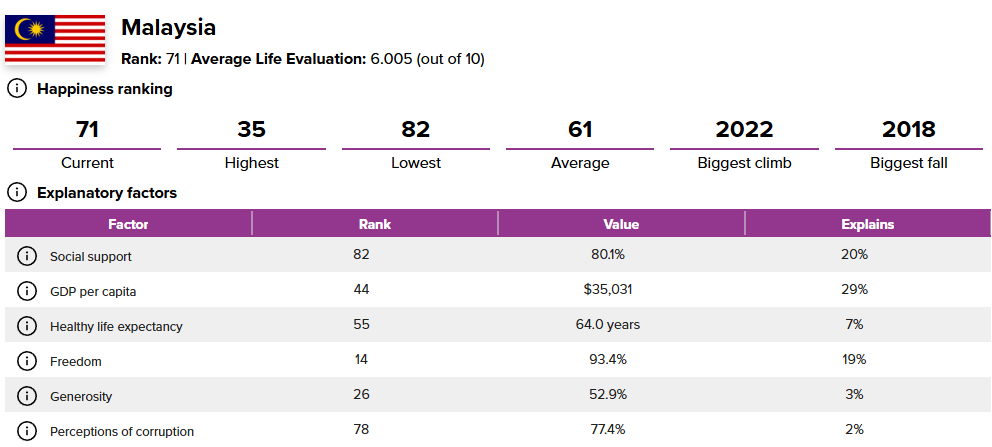
Singapore presents a unique case in global happiness discussions. While it excels in areas such as economic stability, public safety, and healthcare, some analysts suggest that factors like work pressure and cost of living may influence overall life satisfaction.
The city-state is widely recognised for its efficient urban planning and world-class public services. However, issues such as long working hours and rising living expenses — including housing and daily essentials — continue to be topics of concern among residents.
Despite this, Singapore consistently ranks highly in global competitiveness and quality-of-life indices, indicating that happiness is a multi-dimensional concept that extends beyond economic success alone.
Lessons from Top-Ranking Countries
Countries leading the happiness rankings often share common traits that go beyond wealth. Strong community bonds, accessible mental health support, and policies that promote work-life balance are frequently cited as key contributors.
For Singapore, ongoing efforts to enhance liveability — such as expanding green spaces, improving mental health awareness, and supporting work-life harmony — may play a role in shaping future rankings.
As global benchmarks like the World Happiness Report continue to evolve, they offer valuable insights into how nations can improve overall wellbeing. For Singapore, the challenge lies not just in sustaining economic growth, but in ensuring that progress translates into meaningful improvements in everyday life satisfaction.