

A recent exchange between Singapore residents has highlighted rising frustration over food delivery delays, with customers voicing dissatisfaction over late orders and perceived lack of accountability from riders.
The incident involved a customer who placed an order through foodpanda at approximately 2:40pm but claimed the food had yet to arrive more than an hour later. According to the customer, real-time tracking showed the rider lingering near the residential block without completing the delivery, further fuelling irritation.
Such complaints are becoming increasingly common in Singapore’s competitive food delivery market, where speed, reliability, and customer experience play a critical role in platform choice.
Customer Frustration Grows Over Delayed Orders
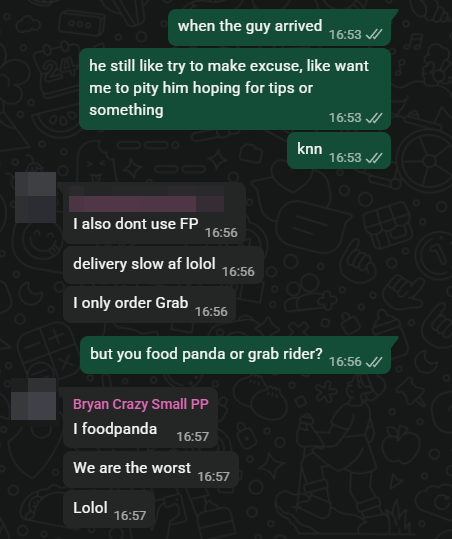
In this case, the customer expressed dissatisfaction not only with the delay but also with the interaction upon delivery. When the rider eventually arrived, the customer alleged that the individual appeared to offer excuses, which were perceived as an attempt to gain sympathy or potentially secure a tip.
While such interpretations may vary, the incident reflects a broader sentiment among some users who expect faster turnaround times and clearer communication, especially given Singapore’s dense urban environment where delivery distances are typically short.
Comparisons between platforms also surfaced during the discussion, with another individual recommending Grab as a more reliable alternative. The perception that certain platforms deliver faster or more consistently has increasingly influenced consumer behaviour.
Riders Acknowledge Operational Challenges
Interestingly, a food delivery rider participating in the conversation offered a candid perspective, acknowledging that delays can occur and even describing the platform’s performance critically. While informal, such remarks shed light on the operational challenges faced by gig economy workers.
Delivery riders often juggle multiple orders, navigate traffic conditions, and manage tight delivery timelines, all while dealing with fluctuating demand and platform algorithms. These factors can contribute to delays that may not always be visible to customers tracking their orders via GPS.
Additionally, riders may face pressure to maintain performance metrics, which can influence how they handle delays or communicate with customers upon arrival.
Balancing Customer Expectations and Gig Economy Realities
The incident underscores the tension between customer expectations and the realities of gig-based delivery services. As demand for food delivery continues to grow in Singapore, platforms are under increasing pressure to optimise logistics, improve transparency, and ensure consistent service standards.
At the same time, riders remain a critical part of the ecosystem, often working under challenging conditions with limited control over system-generated routes and delivery assignments.
For consumers, choosing between platforms may come down to reliability and past experiences. For companies, maintaining service quality while supporting riders will be key to sustaining long-term growth in Singapore’s highly competitive food delivery sector.
As more users share their experiences online, such incidents are likely to continue shaping public perception and influencing how Singaporeans engage with on-demand delivery services.