

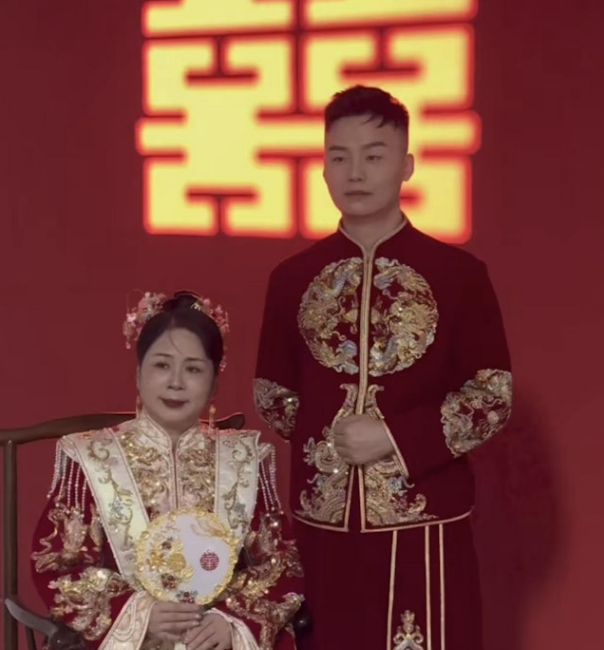
An unconventional romance from Shenzhen has captured widespread attention online after a man in his 20s married his landlady, who is reportedly about two decades older than him.
According to Chinese media reports, the young man had relocated to Shenzhen to pursue a business opportunity. Like many aspiring entrepreneurs navigating China’s competitive urban economy, he faced financial strain and eventually fell behind on his rental payments.
Rather than evicting him, his landlady — a divorcee in her 40s — reportedly offered him more time to settle his arrears. What began as a practical arrangement between tenant and property owner gradually evolved into something more personal.
From Financial Struggles To Emotional Support
As the tenant worked to stabilise his finances, he began helping his landlady with daily chores around the home. Frequent interactions reportedly deepened their connection, especially as he was living away from family in an unfamiliar city.
Observers note that emotional vulnerability can often strengthen bonds in high-pressure environments such as Shenzhen, a city known for its fast-paced start-up culture and rising property market. For many young migrants, finding stability — whether financial or emotional — can be challenging.
Despite sensing a growing closeness, the landlady was initially hesitant. She reportedly worried about their significant age gap, which was said to be nearly equivalent to the age difference between herself and her own son. Concerns about public opinion and social expectations also weighed on her decision.
Marriage Sparks Debate On Social Media
The young man, however, continued to pursue the relationship. Over time, she reciprocated his feelings, and the pair began dating before eventually tying the knot. Following the marriage, the former tenant humorously found himself stepping into the role of a landlord as well.
The story has since gone viral across Chinese social media platforms, sparking debate about age-gap relationships, gender double standards and motivations in marriage. Some online commenters questioned whether financial security played a role, while others defended the couple’s right to choose their own path.
In interviews, the groom reportedly stressed that the marriage was founded on genuine affection and “had nothing to do with money.” Supporters argue that companionship and kindness can be powerful forces, particularly for individuals navigating loneliness or personal setbacks.
While unconventional, the relationship challenges traditional expectations about romance, age and financial status. In an era where discussions about property ownership, wealth inequality and social mobility are increasingly prominent, the Shenzhen couple’s story continues to fuel conversation about what truly defines modern love.