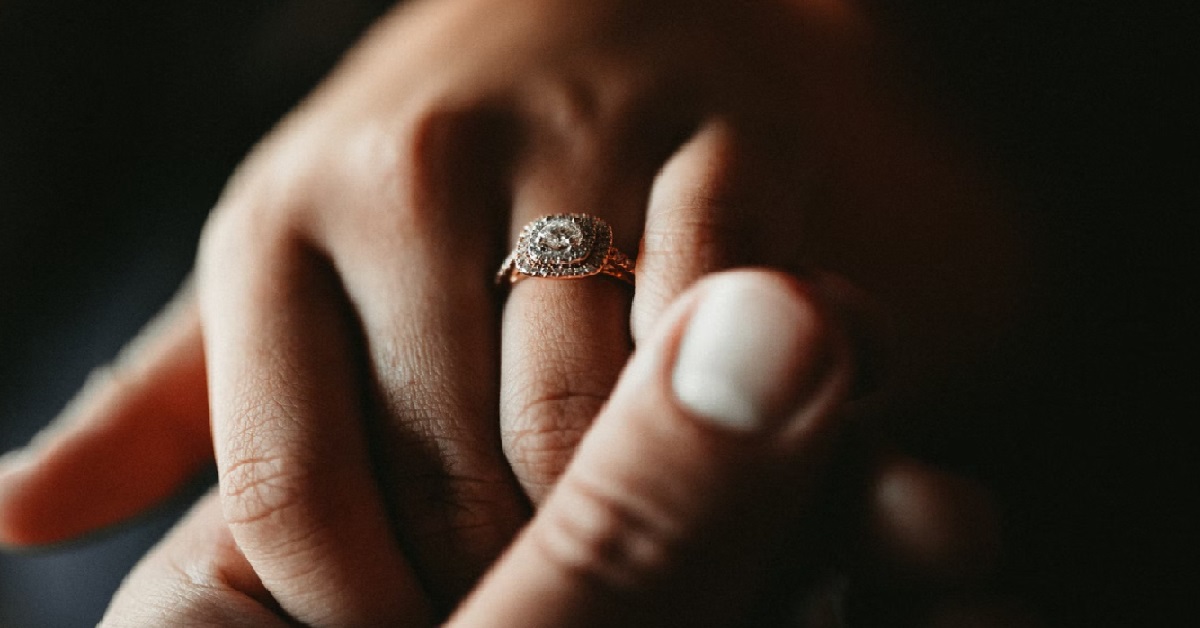
A netizen shared how her “cheapskate” ex boyfriend texted her to ask her if she could return the engagement ring he gave her.
Here is the story
Need to rant. My ex-boyfriend is so cheapskate. Today he suddenly texted me and asked me if I could return him the engagement ring that he proposed to me with.
We dated for 4 years before he proposed to me in August last year. A month later, he quit his job because he wanted to start a business with his friends. I then broke up with him as I felt very disappointed with his stupid start-up dreams. Fortunately I met someone new at my workplace who’s way more mature and financially stable than him so I managed to quickly move on.
So today he told me he would like to sell the engagement ring as he would like to expand his business. I asked him why bother selling this ring as it’s not that expensive anyway. He then said that this ring costs alot to him as he saved up for 2 years to buy it because he knew that it was my dream to own this ring. Playing the sympathy card. Yikes.
To be honest this ring is not really super expensive, at most $60k? So I don’t understand why he is so determined to take it back. I am seriously disgusted with how thick-skinned he is, how he tries so hard to convince me to return him the ring. Somemore he already know that it is my dream to own this ring.
But when I told my friends about this, they all told me I should return him the ring and support him in his start-up dream and then ask my current boyfriend to buy me a new one. Seriously how to support such stupid dream? So should I return him the ring or not? I have the right to reject him right?
Netizens’ comments
- What is your problem? Just return the ring if you think it is not expensive, you Sméagol. You can have your dream, he cannot have his? Theres nothing wrong with start-up dreams and it has nothing to do with one’s maturity. But your action and thinking are definitely cheapskate, disgusting, and immature. You were the one that found someone else and moved on, so you totally dont deserve the ring at all. You want the ring? Ask your current bf to buy lah.
- this could also show how pathetic and desperate you are by keeping the ring when you are no longer attached to him.
- So entitled and judgmental. Wonder why he even wasted 4 years with you or proposed to you. He really dodged a bullet there. He deserves a girlfriend who will support his dreams. He’s trying out something meaningful, not like he’s doing drugs or gambling.