Help I (20 M) think my girlfriend (20 F) is crazy after 1 year of dating
At first I (20 M) thought her (20 F) little obsession with me was cute but then it went too far. She does stuff that kinda scares me like waking up early to watch me sleep and tracking my location constantly while I’m at work or when I go anywhere else.
She always cries when I hang out with my friends for the night as it can go late. I love her and she doesn’t seem to understand I need time for myself.
She is constantly asking for me to be around her all the time. She has everything planned for the future with us. She always gets jealous even when I’m talking with a cashier or about a 2d anime girl.
I love her very much and I don’t know what to make of this situation and the feelings she is having. Should I talk to her about this or not bring it up. Well I do like it however it may not be health
Netizens’ comments
The situation isn’t healthy at all, but calling her crazy just shows immaturity.
Sounds like she has attachment and abandonment issues which she really needs to address and you shouldn’t continue being a crutch for her, try talking to her first and see how the first step goes.
I would recommend starting with couples therapy which should hopefully lead to her getting her own therapy to break down the reasons why she is so scared to be alone.
It’s definitely a mental health issue that she needs help with.
But please don’t use the word crazy, it’s a derogatory term used to vilify someone with mental health struggles. You wouldn’t use a derogatory term to describe someone with a physical chronic illness.
The Singapore Police Force (SPF) said in a press release on Friday (7 April) that a 43-year-old man was arrested for his suspected involvement in a case of housebreaking and theft.
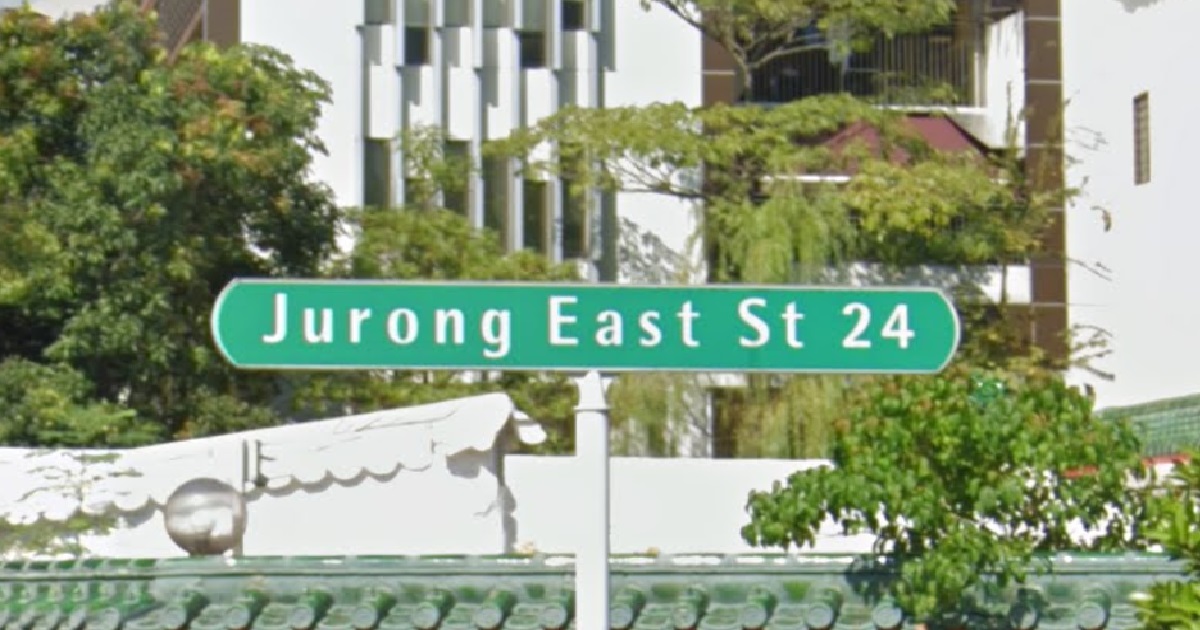
The police said that they received an alert to the alleged incident on Tuesday (4 April) at about 1.32 pm at a shop located along Jurong East Street 24.
About $40,000 in cash as well as about $6,000 worth of cigarettes were allegedly stolen from the shop.
Police officers from the Clementi Police Division later managed to establish the identity of the alleged thief through the use of Police cameras and closed circuit television (CCTV) images, as well as ground inquiries, and the 43-year-old man was then arrested on Good Friday (7 April).
He was charged with housebreaking and theft on Saturday (8 April), and faces a jail term of up to 10 years and a fine if he is convicted.
CRIME PREVENTION TIPS
Here are some measures you can take to avoid falling victim to housebreaking in the future:
Lock all the doors and windows when leaving your home unattended, even for a short while.
Keep large sums of cash in banks and jewellery in a safe deposit box.
Do not hide keys under the door mat, in a flower pot or on top of the electricity meter box outside the house.
Do not leave notes outside your house announcing absence from home.
Suspend or cancel all home deliveries (e.g. newspapers) when you are away from home. Otherwise, arrange to have someone pick up your newspapers or mail that are left on your doorstep.
Change all locks when your house keys are lost or stolen.
Ask your immediate neighbours to keep an eye on your house for any unusual occurrences.
Let your neighbours know that you are going to be away, the duration of your absence and how you can be contacted if necessary.
With the pandemic entering the endemic phase and eating out slowly going back to the norms, food delivery riders in Singapore are seeing a decline in their earnings.
According to Shin Min Daily News, a 57-year-old food delivery rider said that he worked about 11 hours during one of his shifts and earned only $90, meaning his average hourly earnings was about $8.18/hr.
The food delivery rider, Mr Sun, who has been delivering food for three years, said that it was about a 50 per cent decline in his daily income.
The food delivery industry was initially well paying during the pandemic because of the restrictions on dining out, but with the reopening of Singapore’s economy, food delivery riders have seen a huge hit in their earnings.
Delivery riders are at risk of falling into the “in work poverty” situation where they are finding difficulties in increasing their income, secure job promotions or find positions that are more lucrative because of the lack of career progression in the line.
Food delivery riders are working at least 10 hours more than PMETs in Singapore and clock in 55 hours per week, or more.
According to a survey of 37 food delivery riders, they said that they worked a minimum of 40 hours weekly to secure an income of $2,000 a month, with one of the riders saying that working 40 hours a week is too little for them.
The rider told SMDN that those who work hard and don’t rest can earn good money if they work for 7 days straight and more than 12 hours each day.
Also, many of the food delivery riders who joined the industry during the pandemic, have since returned to their past jobs after the pandemic situation.
These workers were previously laid off during the onset of the pandemic, with only about a third of them doing food deliveries full time on a long term basis.
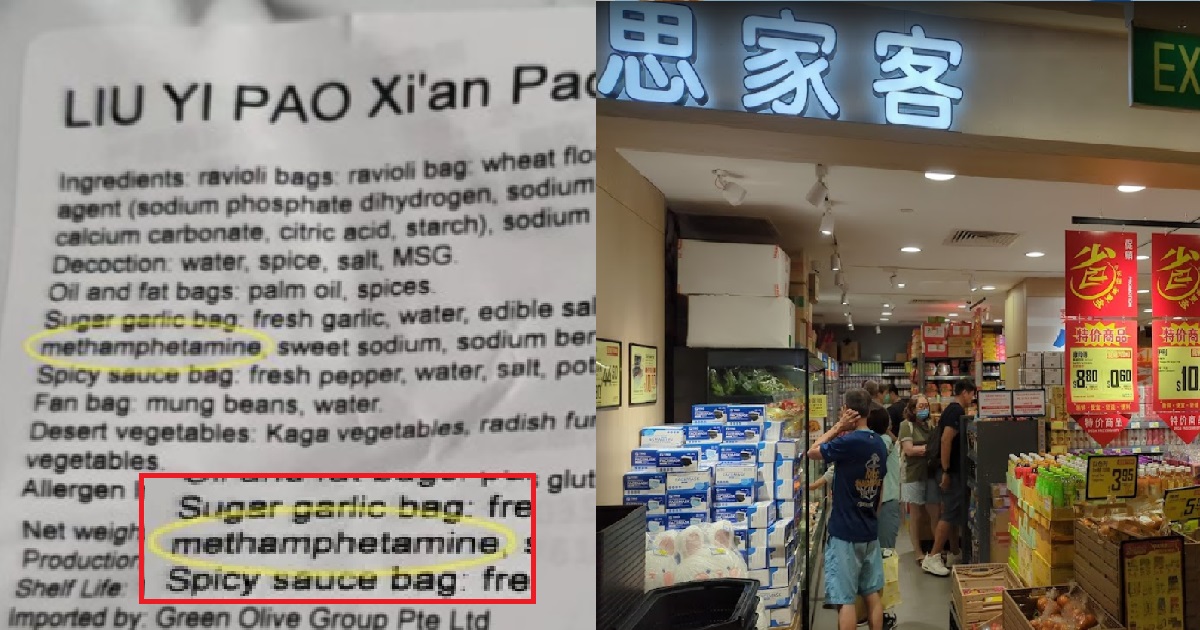
A netizen shared about a packet of instant bread soup that he found from a supermarket at Lot One, Scarlett Supermarket.
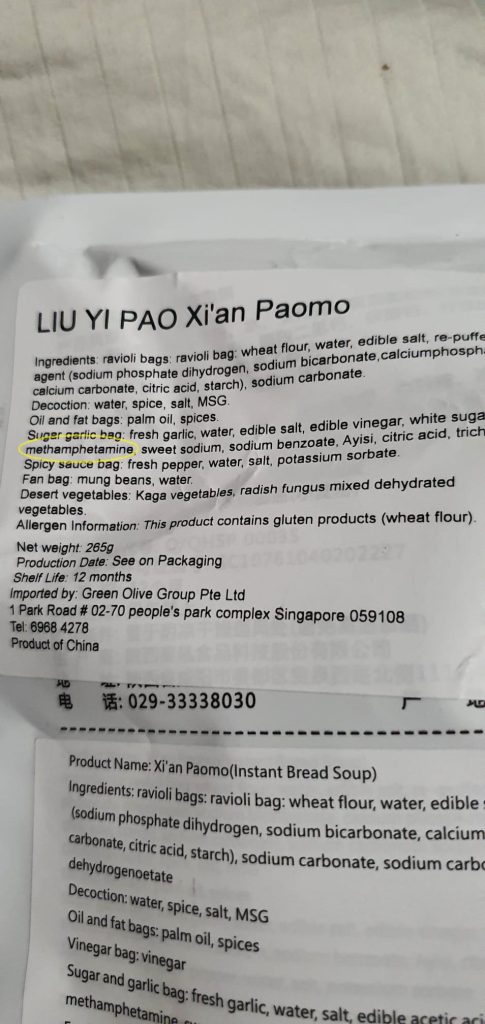
In the list of ingredients at the back of the packet, it listed methamphetamine (a controlled drug in Singapore, otherwise known as crystal meth) as one of the ingredients of the food product.
The netizen posted a photo of the packet of Liu Yi Pai Xi’an Paomo and asked if methamphetamine was a normal ingredient in the instant soup.
The ingredients list stated that the item was imported by a company called the Green Olive Group, which runs the group of Scarlett Supermarkets in Singapore.
Speaking to The Straits Times, the supermarket clarified that the product doesn’t actually have methamphetamine inside it.
They said that it was a translation error by their counterparts in China, and that the listed ingredient was supposed to be “glacial acetic acid” (a food additive) instead.
They said that all the affected food products have since been removed from the shelves at their Lot One supermarket outlet and returned to the warehouse.
The affected products were imported from the Chinese manufacturer Shaanxi Qinhou Food Technology on 12 February.
Netizens’ comments
Breaking bread
Where’d you get it? Imma need to grab one for myself before the stock runs out now that you posted about it.
So this is what Walter and Jesse is cooking…
Their translations damm funny. Their sugarcane chestnut drink translate as cane horseshoe drink
reasons why human translators are needed hhhh
The authorities do not check on the ingredient list? I mean they should have submitted the same badly translated list to HSA right?
Can’t wait to try Los Pollos Hermanos, they give KFC a run for their money
You think of steaming buns, you think of the guy who had his buns factory raided by SFA? No, I am the one who steams. – Walter Bai
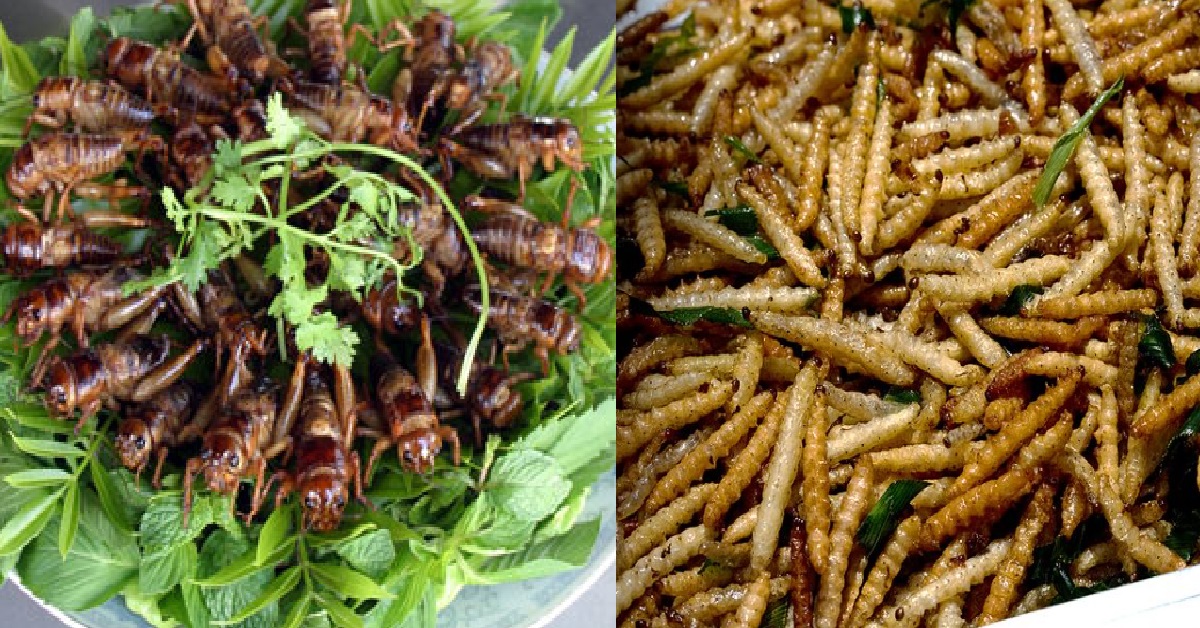
The Singapore Food Agency (SFA) is set to approve 16 species of insects for human consumption in Singapore in the second half of this year, according to The Straits Times.
They had previously held a public consultation exercise back in October last year to gather feedback on the move, and they received 53 responses.
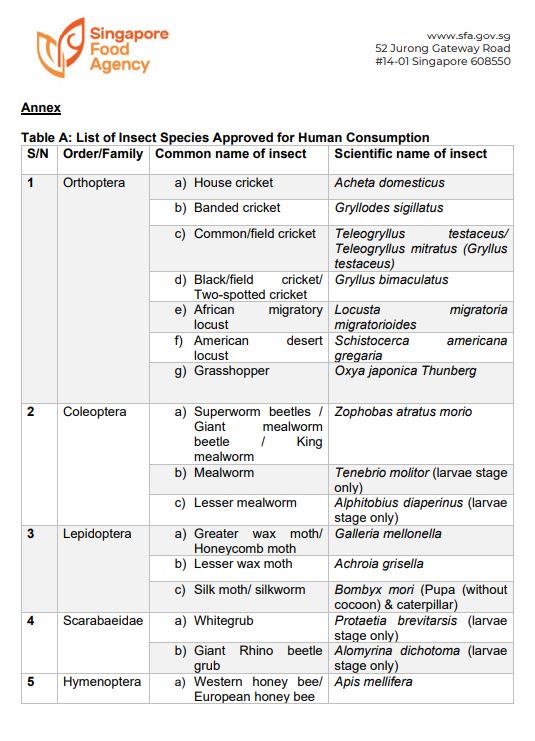
SFA is set to go ahead and approve 16 species of insects for human consumption, with the full list of insects being:
CONSULTATION ON REGULATION OF INSECT AND INSECT PRODUCTS (IMPORTS AND LOCALLY FARMED/PROCESSED)
Aim The Singapore Food Agency (SFA) is seeking feedback from the food and animal feed industry, as well as interested parties, on the proposal to allow insects for human consumption and as animal feed, subject to specific food safety requirements and conditions. This applies to both imported, as well as locally farmed and processed insects.
Background The import and sale of insects as food for human consumption is presently not allowed, while the import and sale of animal feed containing insects is currently permitted under the Feeding Stuffs Act (FSA). SFA currently permits only approved substrates for use (mainly homogenous plant-based waste) on insects for animal feed.
The Singapore Food Agency (SFA) has completed a review of the regulatory position for insects and insect products. With this, SFA will permit the import and sale of insects and insect products for human consumption and animal feed, subject to the import conditions (paragraph 6) for imports, and additional pre-licensing requirements (paragraphs 7 and 8) for local farming and processing of insects and insect products.
These changes will allow industry more flexibility to produce insects in a safe and sustainable way, particularly in the range of substrates which can be used. Consumers would also have access to safe insect food products.
Presently, there are no international standards set by the Codex Alimentarius Commission or the World Organisation for Animal Health (WOAH) for insects as food or animal feed. SFA’s proposed import conditions and additional pre-licensing requirements for farming and processing in Singapore are based on four identified key points to ensure safety of the insects and insect products:
a. Species of insect is safe for human consumption b. Prevent the introduction of diseases and contaminants c. Substrate used must not impart contaminants to the insects d. The final product is safe for consumption
It was previously reported that an 83-year-old woman in Malaysia had died on 25 March after eating a pufferfish that she bought from Facebook, with her husband also eating the fish and ending up inside the ICU.
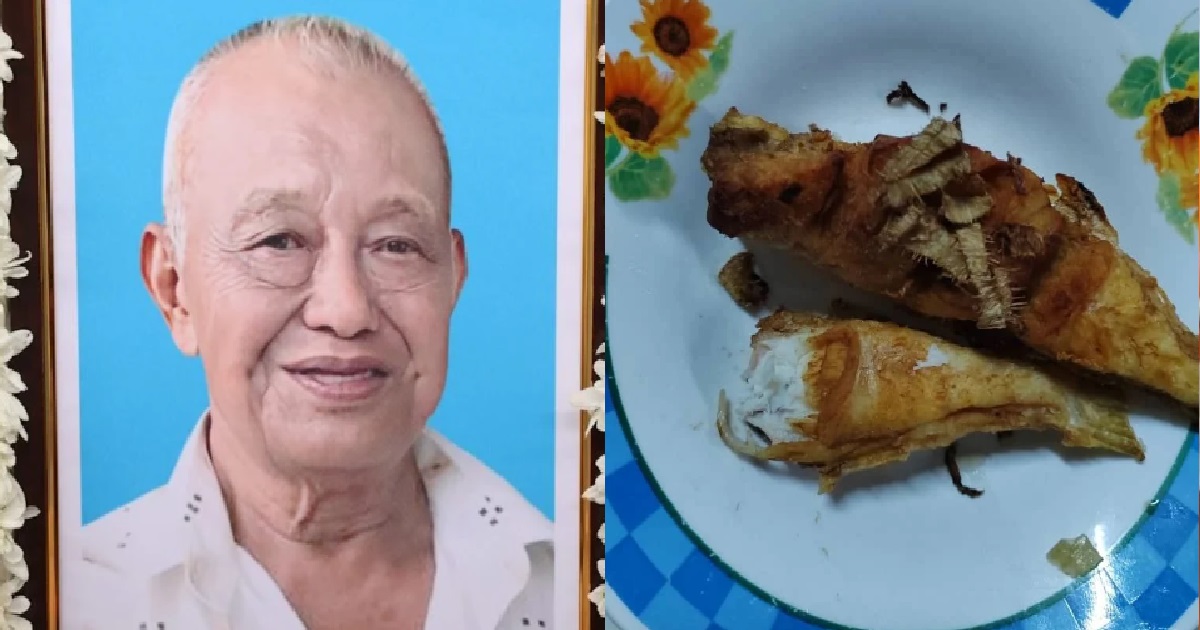
The husband, 84-year-old Ng Chuan Sing, had reportedly ended up in a coma but his condition improved and he could even speak to his daughter after waking up. But he still passed away on 8 April at about 6.10am.
His cause of death was determined to be from a pulmonary embolism, with blood flow to his lungs being blocked because of a blood clot stuck in his artery.
His daughter, 51-year-old Ng Ai Lee, found his death surprising because his condition had initially improved and he was transferred from the ICU into a normal ward 2 days before his passing.
The night before Ng died, his daughter visited him and he was conscious and able to talk as per normal, and his death was very unexpected.
Asked where his wife was when he woke up from coma
Ng told The Star that her father actually asked where his wife was when he woke up from his coma, and she had to lie to him that she was at home. However, he started tearing up.
The night before he died, her father asked for his late-wife again, and Ng guessed that he probably knew that his wife had passed away.
She added that the fishmonger who sold her parents the poisonous pufferfish still hasn’t come forward to apologise, and she welcomed the man to visit her father’s funeral to pay respects.
She said that if he’s in the wrong, he will be brought to court, and that it is not “for us or the public to judge”.
Ng is also calling for justice to be served against those who are responsible for her parents deaths, and wants enforcement against those who break the laws to prevent such tragedies in future.
Recap
An 83-year-old elderly woman in Malaysia died after cooking and eating a pufferfish that she had bought from Facebook; her husband also ate the fish and is in the ICU.
According to an advisory by the Singapore Food Agency, pufferfishes contain a toxin that’s highly poisonous, without just 0.002 grams of it potent enough to kill an adult human being.
The elderly couple who ate the pufferfish suffered breathing difficulties shortly after and were rushed to the hospital, where the elderly woman died and her husband is now in a coma.
According to Sin Chew Daily, the elderly had placed an order for the pufferfish on Facebook and received it on the morning of 25 March.
The couple’s son said that his late mother Lin Xiu Wan then proceeded to fry two of the fish for lunch with her husband, 84-year-old Huang Chuan Xin, who had eaten about 2/3 of one of the fish at about 2 pm, according to China Press.
Madam Lin then started feeling numbness in her hands, feet and lips about one and a half hours later, as she started shivering and having breathing difficulties.
Mr Huang then started displaying the same symptoms about an hour later.
Their son returned home and noticed that his parents were not feeling well, and he then rushed them to a nearby hospital for help.
His mother was immediately warded in the Intensive Care Unit (ICU) but succumbed to the poison and died at 7 pm.
His father suffered a lung infection and is still in the ICU, in stable condition but now in a coma, and doctors have told the family that the toxins have spread to other parts of his body and things are not looking good for him.
The incident was later reported to the Malaysian Ministry of Health, who tested the puffer fish and said that Madam Lin’s death was “food poisoning with neurological manifestation resulting in respiratory failure and irregular heart rate, possibly due to toxin ingestion”.
Her family has since collected her body for the funeral.
The son said that his parents didn’t know that the pufferfish was poisonous and it was their first time eating it, and he added that he never expected such a thing to happen after just one meal.
The pufferfish was later traced back to a fisherman from Mersing, who sold the fish to a Batu Pahat distributor for processing.
The online seller was then found to have sold about 15kg of the pufferfish to 5 customers in three towns on Saturday but thankfully the customers have not eaten the fish yet.
The pufferfishes have since been seized by the authorities.
Singapore Food Agency’s guidelines on pufferfish
Introduction
Pufferfish, also known as ‘fugu’, is a popular delicacy in Japan.
But did you know, pufferfish is an infamously poisonous fish that contains a lethal toxin known as tetrodotoxin (TTX), where as little as 0.002 g is enough to kill an adult human.
In Singapore, there are restaurants with pufferfish on the menu, though there are restrictions in place for food safety. In this article, we will learn more about pufferfish poisoning and how to protect ourselves from it.
What’s is TTX?
TTX is completely colourless and odourless. Cooking also does not destroy this dangerous toxin. When the toxin enters the body, it binds to the nerves, stopping them from working and the person become paralysed, unable to breathe and can suffocate to death. This can happen rapidly within 10 minutes to a few hours depending on the dosage. There is also no antidote.
Anyone who have consumed pufferfish and feel symptoms like tingling, numbness, and any form of paralysis, should seek medical attention immediately.
Why are Pufferfish Poisonous?
Pufferfish are not born poisonous. Pufferfish have evolved to accumulate TTX in their bodies, as a defence mechanism against getting eaten by bigger fish. The bacteria that produce the toxin are eaten by plankton, which are in turn eaten by snails and worms. Pufferfish then eat these snails and worms, gradually absorbing and accumulating the TTX in their bodies. Most of the toxin accumulates in the liver and ovaries, though this depends on the species of the pufferfish.
This means that farmed pufferfish which have never eaten any prey containing TTX are not poisonous. Therefore, the farming of pufferfish in enclosed areas and fed only TTX-free pellets, is becoming increasingly popular.
Ensuring safety of pufferfish in Singapore
In Singapore, SFA permits the import of pufferfish under strict conditions. Currently, only Japan is approved to export pufferfish to Singapore. The pufferfish must have been prepared in SFA-accredited establishments by expert pufferfish chefs which have been certified and licensed by the government of Japan. These chefs have undergone training and examinations to ensure they have the required skills and knowledge to prepare pufferfish safely.
As Singapore, unlike Japan, does not have a pufferfish preparation license system, SFA requires imported pufferfish to be pre-prepared by the licensed chefs. For wild pufferfish which are of a higher risk, only the prepared muscle fillet is allowed for import. For farmed pufferfish, which are TTX-free, the muscles, skin, fins and milt may be imported.
Each import consignment must come with a health certificate from the Japanese authorities, which has detailed information on where the fish were sourced from and prepared. SFA also tests these imported pufferfish for TTX as part of our food surveillance programme.
However, to ensure safety, both the food industry and consumers must play their part
NEVER consume any pufferfish or related fish, like porcupine fish, that have been caught in the wild and prepared by amateurs. Globally, this is the most common reason for TTX poisonings and deaths.
Never consume pufferfish liver and ovaries. These are the organs that accumulate the most TTX.
Ask for farm-raised pufferfish over wild-caught ones, as the farm-raised pufferfish are likely to be toxin-free.
If prepared improperly, pufferfish can be lethal when consumed.
Seek immediate medical attention if you feel any discomfort, tingling or paralysis after consuming pufferfish.
Top tip: The simplest way is to avoid consuming pufferfish entirely.
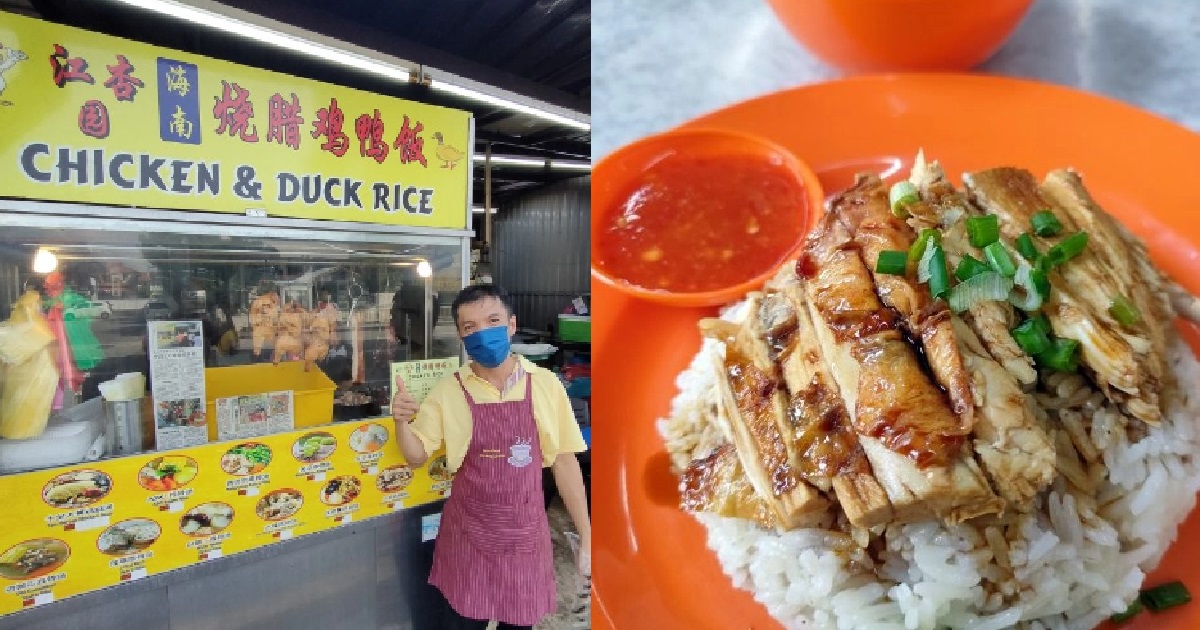
But after decreasing the food prices of his menu to RM3 (or SGD $0.90), as well as offering roasted pork and barbecue pork rice (char siew), he is now selling more chickens each day.
He said that he is not planning to change the prices anymore and that he had always planned to sell chicken rice at this low price.
His customers had initially thought that he was running a promotion for a short time and that he was simply trying to boost his sales.
He was asked how he earns money by selling chicken rice at such a low price, but he said that despite earning lesser from each plate of chicken rice, he is making a profit because of the increase in sales of each plate.
The 50-year-old hawker said that with each chicken that he sells, he makes a profit of $6 and that he is selling about 20 chickens each day; although he is aiming to sell 25 whole chickens each day.
And although he only manages a small profit, he said that the most important thing for him is to be able to help other people through tough times and continue to feed people, which makes him happy.
He added that even though the pandemic is over, many people are still struggling financially and even though he doesn’t earn much with his RM3 chicken rice, the most important thing is for him to help others by feeding them.
Ong runs his chicken rice stall at the Hong Kong Yum Cha Corner along Jalan Macalister in George Town, Penang, Malaysia; and operates from Monday to Saturday from 9.30 am to 1.30 pm.
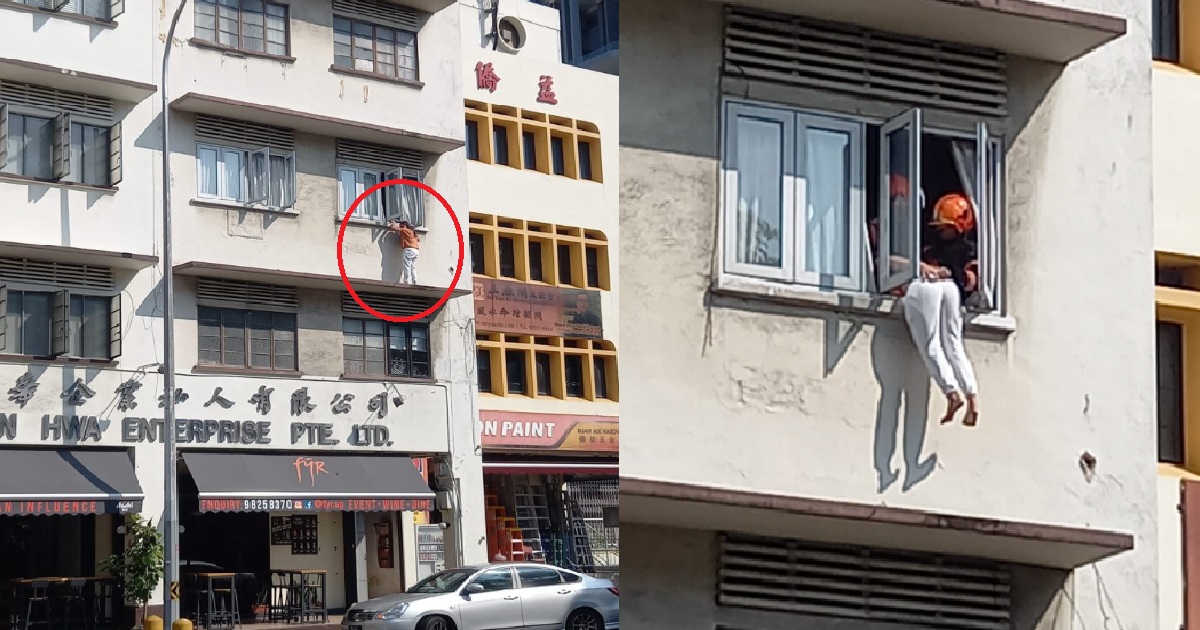
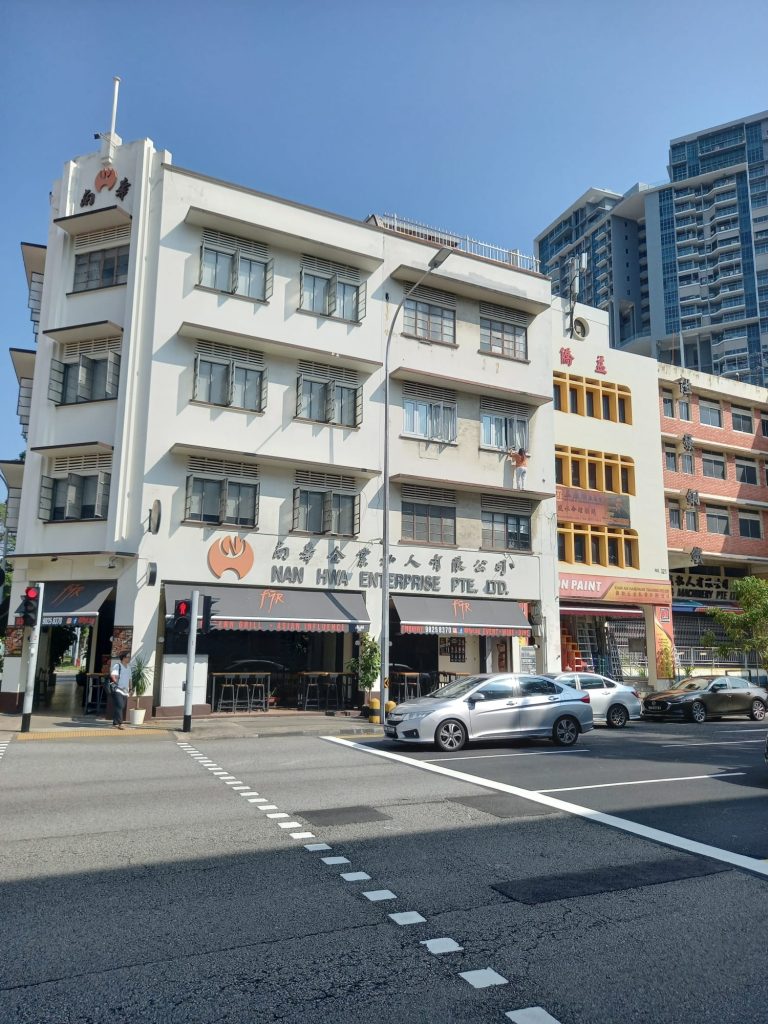
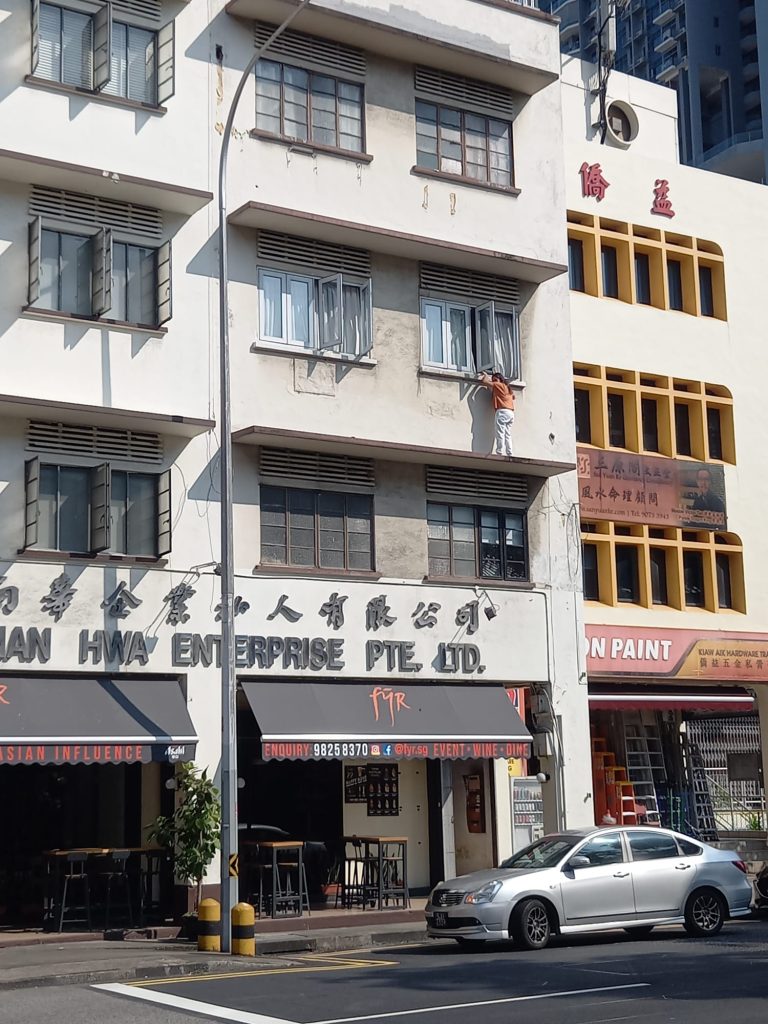
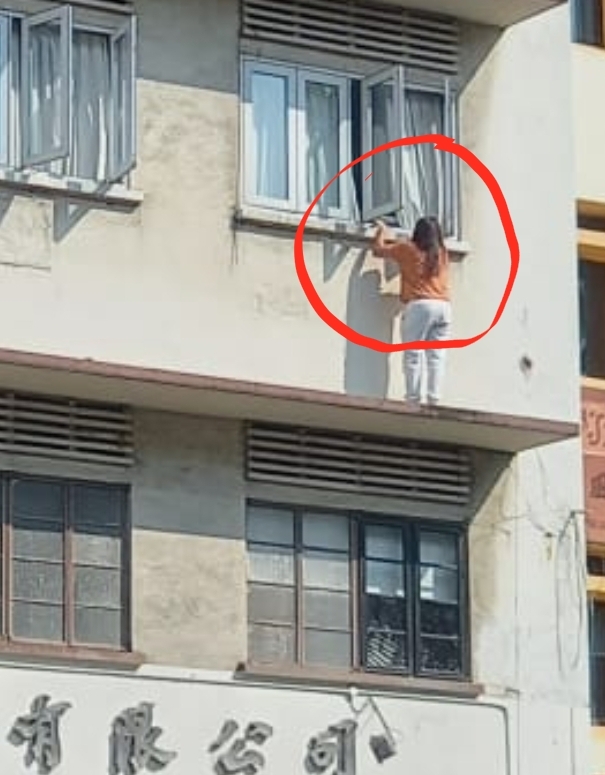
A woman was seen stranded on a window ledge on the third storey of a shophouse yesterday morning (8 April) at about 9.30 am, at 317 Jalan Besar.
A netizen shared that she was passing by the area when she spotted the woman standing on the window ledge and asked her if she required any help.
She asked the woman if she was okay and whether she needed her to call the police, but the woman kept telling her no and rejecting her help.
The netizen said that she could tell that the woman was not local by the way she spoke and despite her rejection, she went ahead and called the police.
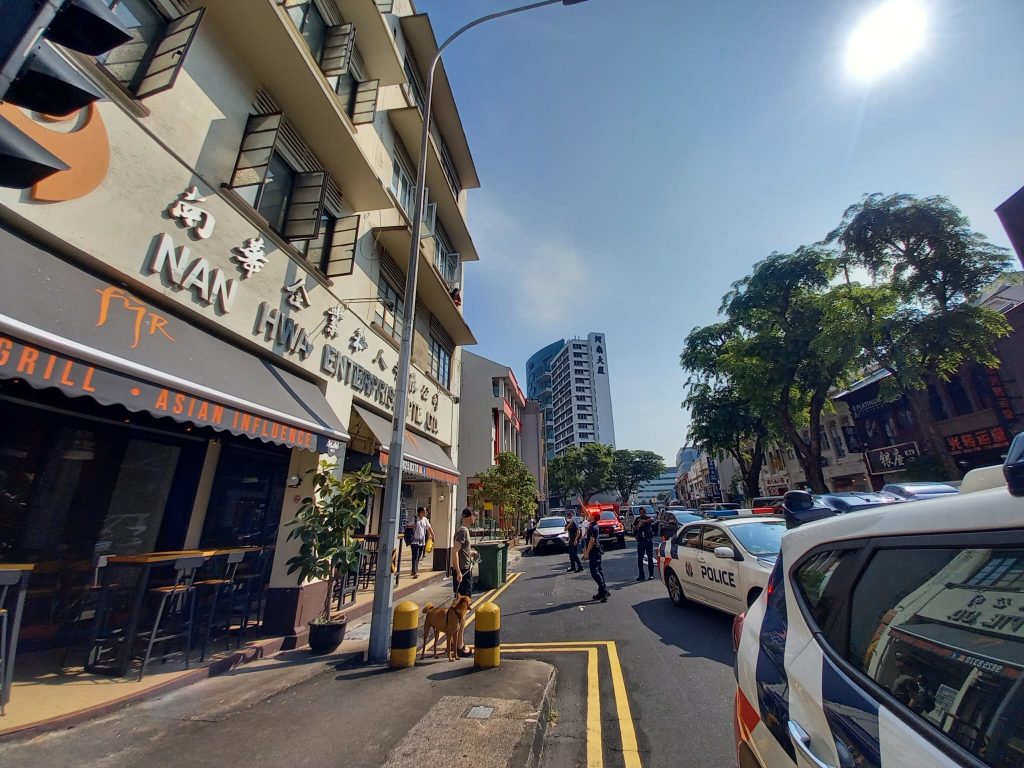
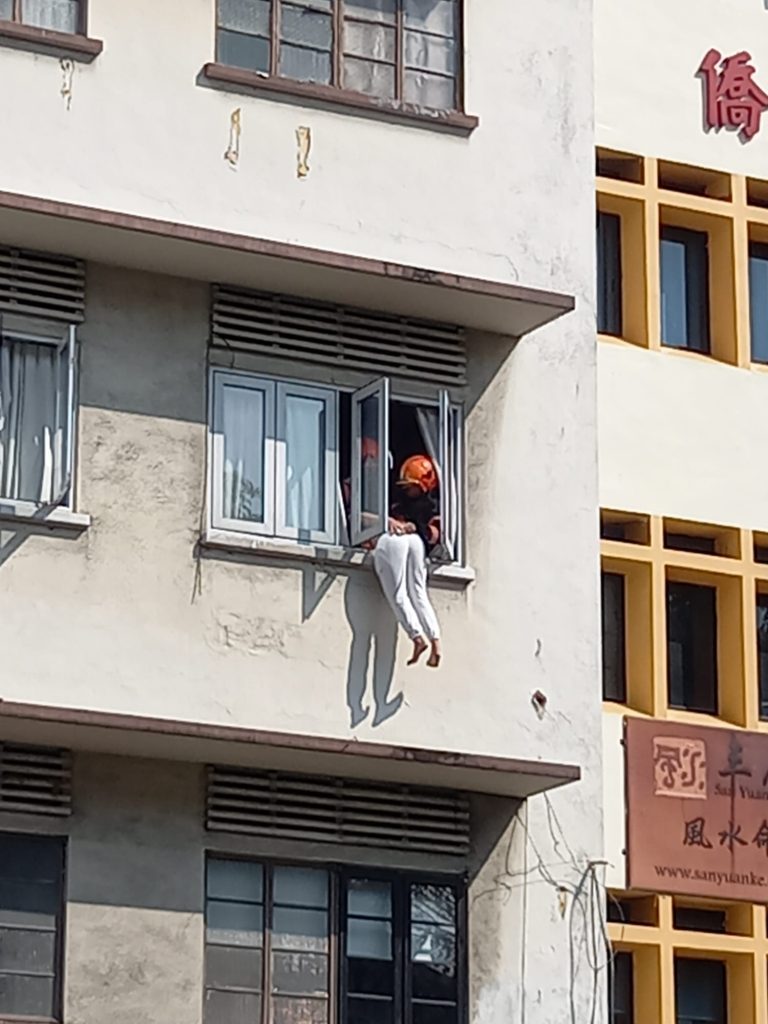
The police soon arrived shortly after along with the Singapore Civil Defence Force (SCDF), and they managed to bring the woman back to safety.
The SCDF said that they had received a call for help on 8 April at about 10 am, along 317 Jalan Besar at a shophouse unit.
When SCDF officers arrived at the scene, they found a person standing on a ledge outside the window of a third-floor unit and they conducted forced entry into the unit.
They managed to get the woman back safely into the unit with the help of the police, and there were also no injuries reported in the incident.
The incident was also not a case of self harm.
Here is what she said
just 20 mins ago..
was crossing the road and saw her on the ledge. ran over and shouted “are you ok , shall i call the police?” she kept saying no, from her voice can know she not local.
then one ang mo guy with dog live upstairs came down, asked him if he knows her, he said he just move in. so decided to call 999 while he waited with me.
My (24F) boyfriend (24M) refuses to marry or stay with me unless I agree to put everything into a joint account with him
I’m honestly at a bit of a loss regarding this situation. My boyfriend and I have been together around 3 years now and marriage is now the natural next step.
He believes everything needs to be combined and I would like to have a separate savings specifically for myself.
I told him that I was fine with the joint covering all of our expenses and any amount budgeted but I would like to keep some in my personal savings.
It’s honestly just the principle of having some privacy and keeping something of my own despite being married.
He doesn’t understand my desire to have something of my own and says it’s a sign I don’t trust him and he doesn’t want to be with someone who doesn’t fully trust him.
I know I have some trust issues which plays a part in my desire to have something for myself but he is completely unwilling to compromise.
The only thing close was him agreeing to me having a separate savings if he has the login.
He has contextualized all his decisions around the idea that healthy couples should be able to communicate everything and I should not need a separate account.
He said we can have discretionary income for our private purchases so I shouldn’t need anything else, but I would really like to be able to put my own money aside if there is extra after the budget has been accounted for.
I truly love him but I’m not sure if this is a value I can give up but I would hate to see my relationship end because of this. I plan to go to therapy to work on my trust issues but do you all have any advice on how to talk to my boyfriend or what to do?
Making my boyfriend cry because of a joke I made about his clothes?
I (24F) moved in with my boyfriend (22M) about a week ago.
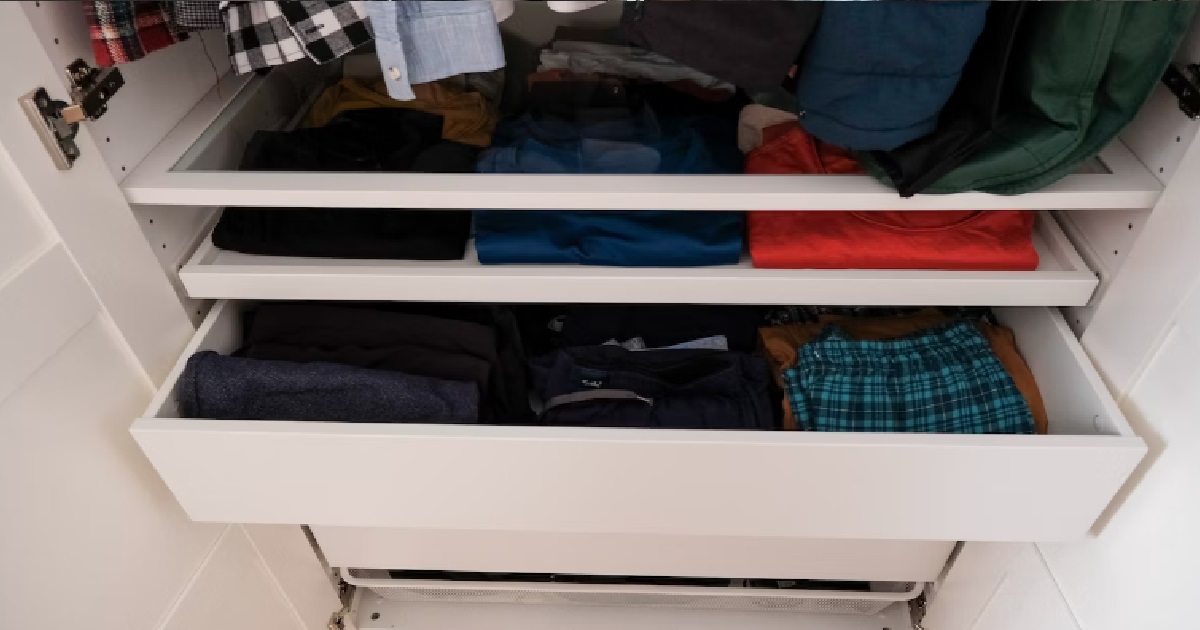
We were tidying and organizing our clothes in the wardrobe when i indicated him that i left two free drawers for his underwear and socks, he said he wouldn’t need them because all of his went to laundry, then I asked jokingly “do You only own 3 of each?”.
After this he said yes and left the room, went to the bathroom and locked himself for an hour, then when he went out he sat on the floor in a corner with a “sad face” for almost a whole other hour.
I kept organizing things and then proceeded to clean the rest of the apartment just ignoring it.
I was truly cringed out about his attitude and left the appartment as soon as I finished cleaning.
EDIT: He doesn’t come from a poor family and he has a full time job and very little economic responsibilities, he can afford to buy underwear.
Netizens’ comments
This is an Orange flag… not the sad sack thing, more about not having purchased sufficient clothing for himself even though he has the means. That reads to me that it’s likely this was always done for him. I’m NOT blaming his mother, some people just have a failure to launch into adulthood right away. If you haven’t already, I think you need to have an honest conversation about expectations and responsibilities for the house and to each other. You’re his partner, not his parent.
INFO: has he explained why this made him so sad? You said in a comment that he can afford to buy more, so why would your joking hurt his feelings so much?
This sounds super weird, like he has some sort of trauma regarding clothing. You said he didn’t grow up poor, but what is/was his relationship with his parents? Could it be that they were bizarrely strict about things like clothing, or spending money on clothing? Did he get punished for tearing his clothes? I got beat by my stepmom for things like staining a towel when I was young. At any rate you need to use your words, and try to work on this with him, because you already sound frustrated. Living together is only going to exacerbate these issues if you don’t figure out what’s going on.